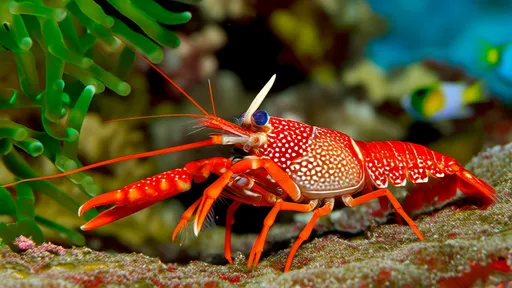
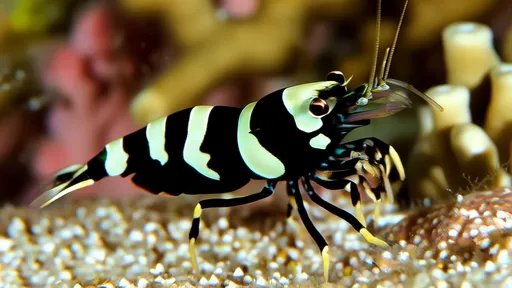
The flame shrimp, with its striking crimson coloration, is one of the ocean's most visually captivating crustaceans. Known scientifically as Lysmata debelius, this species has earned its common name from the fiery red hues that adorn its slender body. Found predominantly in coral reef ecosystems, the flame shrimp is not just a beautiful sight but also an intriguing example of symbiotic relationships in marine environments.
Unlike many other shrimp species that rely on camouflage to evade predators, the flame shrimp boldly displays its vivid red coloration. This boldness is not without purpose—its bright appearance serves as a warning to potential predators, signaling that it may be unpalatable or even toxic. Researchers believe that the shrimp's diet, which includes certain types of algae and microorganisms, may contribute to its distinctive pigmentation and possibly even its chemical defenses.
Symbiosis with Coral Reefs
The flame shrimp’s relationship with coral reefs is a fascinating aspect of its biology. These shrimp are often found in close association with various coral species, particularly those that provide ample crevices and hiding spots. The shrimp benefit from the shelter and protection offered by the coral, while in return, they help keep the coral clean by feeding on detritus, parasites, and dead tissue. This mutualistic relationship highlights the delicate balance within reef ecosystems, where even small organisms play critical roles.
Interestingly, flame shrimp are also known to engage in cleaning behavior with fish. Larger reef fish, such as groupers and moray eels, will often visit cleaning stations where flame shrimp meticulously remove parasites and dead skin from their bodies. This behavior not only provides the shrimp with a steady food source but also helps maintain the health of the fish, reducing the likelihood of infections and promoting overall reef vitality.
Behavior and Social Structure
Flame shrimp exhibit a unique social structure compared to other marine invertebrates. They are often found in small groups, displaying a hierarchical system where dominant individuals take precedence in feeding and mating. Unlike some shrimp species that are highly territorial, flame shrimp tend to coexist peacefully within their groups, though occasional skirmishes may occur over food or shelter.
Their reproductive behavior is equally fascinating. Flame shrimp are protandric hermaphrodites, meaning they start life as males and later develop into females as they mature. This adaptation increases their reproductive flexibility, ensuring that even small populations can sustain themselves by allowing any two individuals to mate. After fertilization, the female carries the eggs beneath her abdomen until they hatch into free-swimming larvae, which then drift as plankton before settling onto the reef.
Conservation and Threats
Despite their resilience, flame shrimp face several threats, primarily due to human activities. Coral reef degradation, caused by climate change, pollution, and destructive fishing practices, poses a significant risk to their habitat. As coral reefs decline, the intricate relationships between species like the flame shrimp and their hosts are disrupted, leading to potential population declines.
Additionally, the aquarium trade has contributed to the pressure on wild flame shrimp populations. Their vibrant colors and beneficial cleaning behavior make them highly sought after by marine hobbyists. While captive breeding programs have seen some success, the majority of flame shrimp in the trade are still wild-caught, raising concerns about sustainability.
Conclusion
The flame shrimp is more than just a colorful inhabitant of coral reefs—it is a vital participant in the complex web of marine life. Its symbiotic relationships, unique reproductive strategies, and ecological role underscore the importance of preserving coral reef ecosystems. As human impacts on the ocean intensify, understanding and protecting species like the flame shrimp becomes ever more crucial. By supporting sustainable practices and conservation efforts, we can help ensure that these fiery-red symbionts continue to thrive in their natural habitats for generations to come.

By /Jun 11, 2025

By /Jun 11, 2025
By /Jun 11, 2025
By /Jun 11, 2025

By /Jun 11, 2025
By /Jun 11, 2025
By /Jun 11, 2025
By /Jun 11, 2025
By /Jun 11, 2025
By /Jun 11, 2025
By /Jun 11, 2025
By /Jun 11, 2025
By /Jun 11, 2025
By /Jun 11, 2025
By /Jun 11, 2025
By /Jun 11, 2025
By /Jun 11, 2025