The rapid evolution of fast-charging technology has revolutionized the way we power our devices, from smartphones to electric vehicles. What was once a multi-hour ordeal can now be accomplished in a matter of minutes. Yet, beneath the surface of this convenience lies a complex trade-off between speed and longevity. As consumers increasingly prioritize quick energy top-ups, the long-term health of batteries often becomes an afterthought—until degradation rears its ugly head.
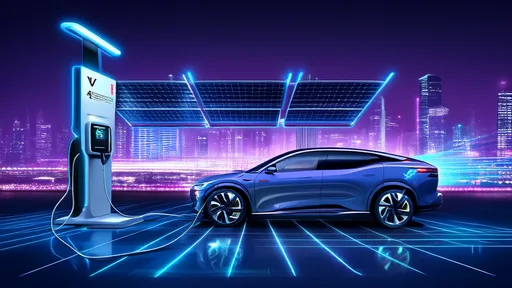
The allure of fast charging is undeniable. In a world where time is currency, the ability to replenish 50% of a battery’s capacity in 15 minutes feels nothing short of miraculous. Electric vehicle owners, for instance, can now minimize downtime during road trips, while smartphone users no longer need to plan their days around charging cycles. This efficiency has become a selling point for manufacturers, with each new generation of devices boasting even faster charging capabilities. But as the race for speed intensifies, so too do the hidden costs.
At the heart of the issue lies the delicate chemistry of lithium-ion batteries, the dominant power source in modern electronics. These batteries rely on the movement of ions between electrodes, a process that generates heat—especially under the stress of rapid charging. Heat is the nemesis of battery longevity, accelerating chemical reactions that degrade electrodes and deplete electrolytes over time. While battery management systems have grown more sophisticated, they can only mitigate, not eliminate, the wear and tear caused by repeated fast-charging sessions.
Real-world data paints a sobering picture. Studies comparing batteries subjected to regular fast charging versus slower alternatives show markedly different aging patterns. After just 300 cycles, some fast-charged batteries exhibit up to 20% more capacity loss than their slowly charged counterparts. For electric vehicle owners, this could translate to reduced range years earlier than anticipated. The irony is palpable: the very technology designed to enhance convenience may ultimately shorten the lifespan of the devices it powers.
Manufacturers walk a tightrope between performance and preservation. Some have implemented adaptive charging algorithms that adjust speeds based on battery temperature and state of charge. Others have turned to advanced cooling systems or alternative battery chemistries less susceptible to thermal stress. Yet these solutions often come with trade-offs—increased weight, higher costs, or reduced energy density—that challenge product designers to maintain a competitive edge while addressing durability concerns.
The environmental implications add another layer of complexity. As consumers replace devices more frequently due to battery degradation, electronic waste continues to pile up. Fast charging, while reducing reliance on fossil fuels in electric vehicles, may inadvertently contribute to a different kind of sustainability problem. This paradox has led some industry observers to question whether the current trajectory of charging technology truly aligns with long-term ecological goals.
User behavior plays a pivotal role in this equation. Many consumers remain unaware of how charging habits impact battery health, or assume that manufacturer warranties will cover any premature aging. Education campaigns have had limited success in shifting behavior, particularly when the immediate benefits of fast charging are so tangible. The psychological hurdle is significant: convincing users to prioritize long-term battery health over short-term convenience requires a fundamental rethinking of how we market and discuss charging technology.
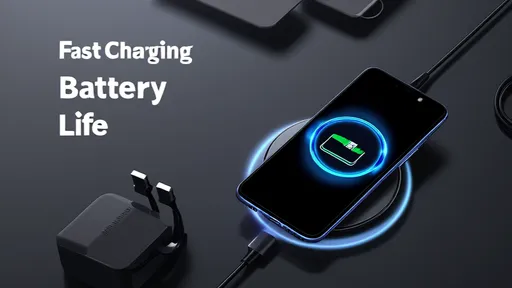
The search for a middle ground continues. Some innovators are exploring hybrid approaches that combine fast charging for urgent needs with optimized slow charging for routine use. Wireless charging technologies, while still evolving, may offer gentler alternatives for overnight replenishment. Meanwhile, breakthroughs in solid-state batteries promise a future where rapid charging doesn’t come at the expense of cycle life—though these solutions remain years away from mass adoption.
As the industry grapples with these challenges, one truth becomes increasingly clear: the relationship between charging speed and battery longevity isn’t a binary choice, but rather a spectrum of compromises. The optimal balance may vary depending on use case, device type, and individual priorities. What remains universal is the need for transparent communication about these trade-offs, empowering consumers to make informed decisions about how they power their lives.
The fast-charging revolution has undeniably transformed our technological landscape, but its full consequences are still coming into focus. In the pursuit of ever-faster energy replenishment, we must not lose sight of the bigger picture—one where efficiency and endurance coexist harmoniously. The batteries of tomorrow may well achieve this equilibrium, but until then, moderation and awareness remain our best tools for navigating the present.
By /Jun 14, 2025

By /Jun 14, 2025
By /Jun 14, 2025
By /Jun 14, 2025
By /Jun 14, 2025
By /Jun 14, 2025

By /Jun 14, 2025

By /Jun 14, 2025

By /Jun 14, 2025

By /Jun 14, 2025
By /Jun 14, 2025
By /Jun 14, 2025

By /Jun 14, 2025
By /Jun 14, 2025
By /Jun 14, 2025

By /Jun 14, 2025
By /Jun 14, 2025