Electric Vehicles as Power Banks: The Rise of Vehicle-to-Grid (V2G) Technology
The automotive industry is undergoing a seismic shift, not just in propulsion systems but in the very role cars play in our energy ecosystem. As electric vehicles (EVs) surge in popularity, an innovative technology called Vehicle-to-Grid (V2G) is turning these battery-packed machines into something far more revolutionary than mere transportation devices. Imagine your EV not just consuming electricity but actively participating in powering your home or even stabilizing the local grid during peak demand. This isn't futuristic speculation—it's happening now.
How V2G Turns EVs into Mobile Energy Hubs
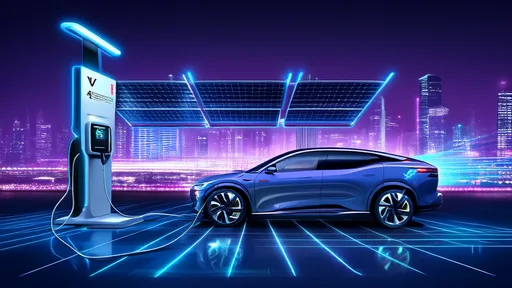
At its core, V2G technology enables bidirectional energy flow between electric vehicles and the power grid. Traditional charging systems only allow electricity to move from the grid into the car's battery. V2G flips this relationship, empowering EVs to discharge stored energy back into homes, businesses, or the broader electrical network when needed. This transforms every participating EV into what amounts to a mobile energy storage unit—a kind of gigantic, rolling power bank.
The implications are profound. During times of high electricity demand (like hot summer afternoons when air conditioners are running full blast), utilities often activate expensive and polluting "peaker" plants. With V2G, thousands of EVs could instead provide short-term power, reducing strain on the grid and cutting emissions. Conversely, when renewable generation exceeds demand (such as windy nights when turbines keep spinning), EVs can soak up the excess clean energy, solving the storage challenge that has long plagued wind and solar power.
The Technical Ballet Behind V2G
Making this two-way energy dance work requires sophisticated coordination between multiple technologies. Special bidirectional chargers replace conventional EV charging equipment, containing the hardware needed to reverse energy flow. Smart charging software acts as the conductor, determining optimal times to charge or discharge based on grid conditions, electricity prices, and the vehicle owner's driving needs. These systems typically communicate with grid operators or energy aggregators who manage distributed energy resources.
Battery health represents a critical consideration. Frequent charging and discharging could theoretically degrade an EV battery faster. However, modern battery management systems have become remarkably adept at preserving longevity. Most V2G programs operate within conservative parameters—perhaps only using 10-20% of a battery's capacity for grid services and avoiding deep discharges. Some studies suggest that with proper management, V2G participation might actually extend battery life by keeping it in an optimal state of charge range.
Real-World Applications Taking Root
Pilot programs across the globe are demonstrating V2G's viability. In Japan, Nissan has partnered with local utilities to create emergency power networks using Leaf EVs. Following natural disasters when the grid fails, these vehicles become mobile power sources for critical community services. In Denmark, a fleet of school buses doubles as a virtual power plant, storing wind energy during off-hours and feeding it back during peak times. California's PG&E is testing how V2G can help integrate more renewable energy while improving grid resilience.
Commercial fleets offer particularly promising early adoption cases. Delivery vans, municipal vehicles, and school buses follow predictable routes with known energy requirements, making it easier to optimize their V2G participation. Their large battery packs can provide substantial grid services during long parking periods at depots. As these demonstrations prove successful, the technology is gradually trickling down to consumer applications.
Economic Incentives Driving Adoption
For V2G to achieve mass adoption, the financial equation must work for vehicle owners. Several models are emerging. Some utilities offer direct payments to EV owners who allow their batteries to be used for grid services. Others provide significantly reduced electricity rates for V2G participants. In certain markets, energy aggregators pool together hundreds of EVs to bid into wholesale electricity markets, sharing the revenues with owners.
The potential earnings aren't trivial. Studies estimate that an EV owner might earn $200-$400 annually by participating in V2G—enough to cover a meaningful portion of their charging costs. For fleet operators with dozens of vehicles, these sums become substantial. As battery prices continue falling and V2G software becomes more sophisticated, these economic benefits will likely improve further.
Overcoming Barriers to Widespread Implementation
Despite its promise, V2G faces several hurdles before becoming mainstream. Standardization remains a challenge—different automakers and charger manufacturers currently use varying communication protocols. Regulatory frameworks in many regions haven't caught up with the technology, creating uncertainty around how V2G participants can legally buy and sell electricity. Consumer awareness is another obstacle; most EV owners simply don't know this capability exists or how it might benefit them.
Infrastructure presents another bottleneck. While bidirectional chargers are commercially available, they remain significantly more expensive than conventional chargers. Widespread deployment will require costs to come down through economies of scale. Utility companies also need to upgrade distribution systems and billing platforms to handle millions of small, mobile power sources feeding energy back into the grid.
The Road Ahead for V2G
Industry analysts predict the V2G market will grow exponentially as automakers increasingly build bidirectional capabilities into new models. Several countries have begun incorporating V2G into their long-term energy strategies, recognizing its potential to support renewable energy integration and grid stability. The technology aligns perfectly with broader trends toward distributed energy resources and smarter, more flexible power systems.
Looking further ahead, V2G could fundamentally alter our relationship with vehicles. An EV might become not just an appliance that consumes resources but an asset that generates value even when parked. In a future where transportation and energy systems converge, your car could help power your home during outages, earn money while you sleep, and play a vital role in building a more resilient, sustainable electrical grid. The age of the electric vehicle as mobile power plant has arrived—we're just beginning to explore its possibilities.
By /Jun 14, 2025

By /Jun 14, 2025
By /Jun 14, 2025
By /Jun 14, 2025
By /Jun 14, 2025
By /Jun 14, 2025
By /Jun 14, 2025
By /Jun 14, 2025
By /Jun 14, 2025

By /Jun 14, 2025
By /Jun 14, 2025
By /Jun 14, 2025
By /Jun 14, 2025
By /Jun 14, 2025
By /Jun 14, 2025

By /Jun 14, 2025
By /Jun 14, 2025