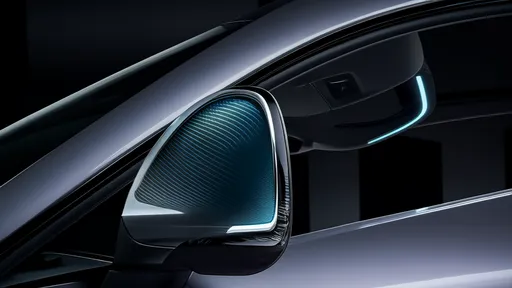
The automotive industry has been buzzing with excitement since regulators began approving electronic side mirrors, also known as digital or camera-based mirrors, for road use. What was once a futuristic concept reserved for high-end concept cars or sci-fi movies is now becoming a tangible reality. However, as drivers begin to experience this technology firsthand, a noticeable gap is emerging between expectations and reality.
The Promise of Electronic Side Mirrors
Electronic side mirrors were initially touted as a revolutionary upgrade over traditional glass mirrors. Automakers and tech enthusiasts alike praised their potential to eliminate blind spots, reduce wind noise, and improve aerodynamics. The sleek, minimalist design was also seen as a step toward the cars of the future—where bulky, protruding mirrors would become obsolete. Early adopters eagerly awaited the day when these systems would hit the mainstream market.
When regulatory bodies in key markets, including Europe and Japan, began approving these systems for production vehicles, the excitement reached a fever pitch. Luxury brands like Audi and Lexus were among the first to introduce models equipped with digital mirrors, further fueling consumer interest. The stage was set for a seamless transition from analog to digital—or so it seemed.
The Reality Behind the Screen
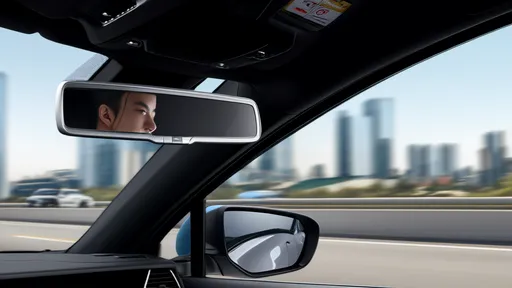
Despite the hype, drivers who have spent time with electronic side mirrors report a mix of admiration and frustration. One of the most common complaints is the adjustment period required to adapt to the new viewing experience. Unlike traditional mirrors, which provide a direct reflection, digital mirrors rely on camera feeds displayed on interior screens. This shift from a natural, depth-perceiving reflection to a flat, two-dimensional image can be disorienting for some.
Another issue is latency. While manufacturers have worked to minimize delay between the camera feed and the display, even a slight lag can be unsettling, especially at high speeds or in dynamic driving situations. The human brain is finely tuned to process real-time visual information, and any discrepancy—no matter how small—can trigger discomfort or hesitation.
Environmental Challenges
Weather conditions pose another significant hurdle. Traditional mirrors, while imperfect, are generally reliable in rain, snow, or fog. Electronic mirrors, on the other hand, can struggle in adverse conditions. Water droplets or dirt on the camera lens can obscure the view, and glare from low sun angles can wash out the display. Some systems include heating or cleaning mechanisms to mitigate these issues, but they aren’t foolproof.
Nighttime driving introduces its own set of challenges. While some digital mirrors excel in low-light conditions thanks to enhanced sensors, others produce grainy or overly bright images that strain the eyes. The absence of natural depth perception can also make it harder to judge distances, particularly when merging lanes or parking.
The Learning Curve
Perhaps the most underestimated aspect of electronic side mirrors is the learning curve. Drivers who have relied on traditional mirrors for decades must now retrain their instincts. Glancing at a screen inside the cabin instead of a mirror on the door requires a shift in muscle memory and spatial awareness. For some, this transition is smooth; for others, it’s a persistent source of frustration.
Automakers have attempted to ease this transition with adjustable display settings, such as zoom levels or perspective corrections. However, these features can sometimes feel like band-aid solutions rather than genuine improvements. The question remains: Are digital mirrors solving problems that didn’t exist, or are they simply trading one set of issues for another?
The Road Ahead
Despite these challenges, electronic side mirrors are unlikely to disappear. The automotive industry is heavily invested in digitalization, and as technology improves, many of the current shortcomings will likely be addressed. Future iterations may feature higher-resolution displays, faster processing speeds, and more robust environmental protections. In the meantime, drivers will need to weigh the benefits against the drawbacks.
For now, the experience of using electronic side mirrors is a reminder that innovation often comes with growing pains. What was envisioned as a seamless upgrade has revealed itself to be a complex interplay of technology, human perception, and real-world conditions. As the industry continues to refine these systems, one thing is clear: The journey toward the perfect side mirror is far from over.
By /Jun 14, 2025
By /Jun 14, 2025
By /Jun 14, 2025
By /Jun 14, 2025
By /Jun 14, 2025
By /Jun 14, 2025
By /Jun 14, 2025
By /Jun 14, 2025
By /Jun 14, 2025
By /Jun 14, 2025
By /Jun 14, 2025
By /Jun 14, 2025
By /Jun 14, 2025
By /Jun 14, 2025
By /Jun 14, 2025
By /Jun 14, 2025
By /Jun 14, 2025