The automotive industry is undergoing a transformative shift, with sustainability at its core. Among the most groundbreaking innovations in this space is the Lightyear 0, a solar-powered vehicle that promises to redefine the concept of long-distance driving. Unlike traditional electric vehicles (EVs) that rely solely on charging stations, the Lightyear 0 harnesses the power of the sun to extend its range, offering a glimpse into a future where cars are not just zero-emission but also energy-independent.
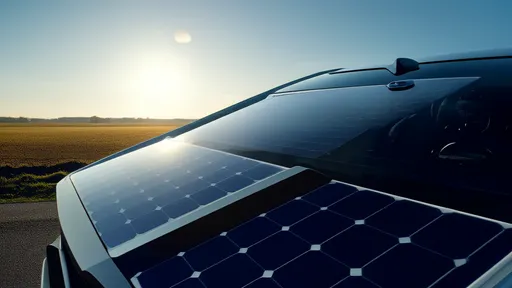
At the heart of the Lightyear 0’s design is its seamless integration of solar technology. The car’s roof and hood are equipped with high-efficiency solar panels, which continuously capture sunlight and convert it into energy. This means that even while parked, the vehicle is charging, reducing dependency on external power sources. On a sunny day, the Lightyear 0 can gain up to 70 kilometers of range purely from solar energy, a feature that sets it apart from conventional EVs. For commuters or those driving in sun-rich regions, this could translate to weeks or even months of driving without ever needing to plug in.
The engineering behind the Lightyear 0 is nothing short of revolutionary. The car’s aerodynamic profile, with a drag coefficient of just 0.19, makes it one of the most efficient vehicles ever produced. Every component, from the lightweight materials to the regenerative braking system, is optimized to minimize energy consumption. The result is a vehicle that can travel up to 625 kilometers on a single charge under ideal conditions, with solar energy further extending this range. This combination of cutting-edge aerodynamics and solar efficiency makes the Lightyear 0 a pioneer in the quest for sustainable mobility.
One of the most compelling aspects of the Lightyear 0 is its potential to democratize clean transportation. While many EVs require access to reliable charging infrastructure—a challenge in rural or underdeveloped areas—the Lightyear 0 thrives in environments where sunlight is abundant. This could be a game-changer for regions with limited electrical grids, offering a practical solution to energy poverty. Moreover, the car’s ability to generate its own power reduces the strain on public charging networks, addressing one of the major bottlenecks in the widespread adoption of electric vehicles.
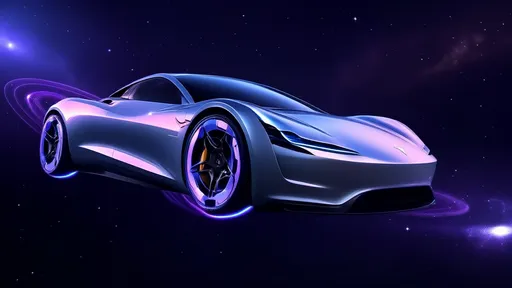
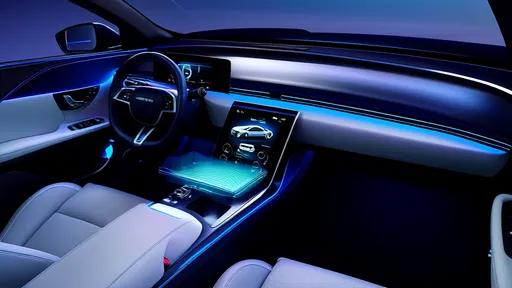
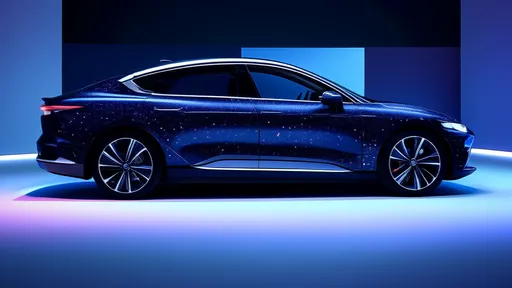
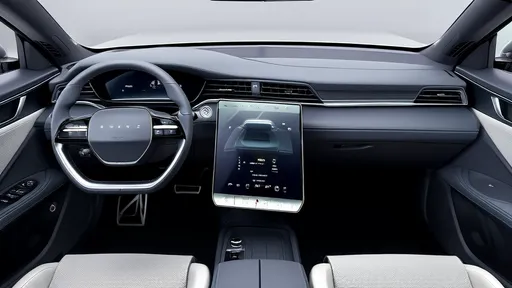
Beyond its technical prowess, the Lightyear 0 represents a philosophical shift in how we think about transportation. It challenges the notion that sustainability requires sacrifice, proving that eco-friendly vehicles can be both high-performing and aesthetically pleasing. The interior is crafted from sustainable materials, including plant-based leather and recycled fabrics, while the exterior boasts a sleek, futuristic design. This attention to detail underscores Lightyear’s commitment to creating a car that is as environmentally conscious as it is desirable.
Of course, the Lightyear 0 is not without its challenges. The production of solar-powered vehicles remains costly, and the technology is still in its relative infancy. However, Lightyear’s vision extends beyond this initial model. The company is already working on more affordable iterations, aiming to make solar-powered cars accessible to a broader audience. As battery technology improves and solar efficiency increases, the potential for mass adoption grows, paving the way for a future where cars are powered by the sun.
The Lightyear 0 is more than just a car; it’s a statement. It embodies the possibility of a world where transportation is in harmony with the environment, where energy independence is within reach, and where innovation drives us toward a cleaner, brighter future. As the automotive industry continues to evolve, the Lightyear 0 stands as a beacon of what’s possible when ingenuity meets sustainability. For those eager to embrace the next era of mobility, the sun-powered revolution begins here.
By /Jun 14, 2025

By /Jun 14, 2025
By /Jun 14, 2025
By /Jun 14, 2025
By /Jun 14, 2025
By /Jun 14, 2025
By /Jun 14, 2025
By /Jun 14, 2025
By /Jun 14, 2025

By /Jun 14, 2025
By /Jun 14, 2025
By /Jun 14, 2025
By /Jun 14, 2025
By /Jun 14, 2025
By /Jun 14, 2025

By /Jun 14, 2025
By /Jun 14, 2025